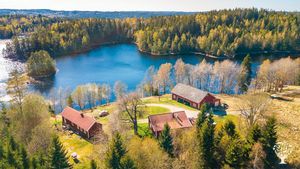

The farm is situated around 45 minutes northeast from Gothenburg in a beautiful woodland area. We moved to our homestead from Austria in 2018 and have been developing it since: planting a vegetable garden, building a root cellar, a larger greenhouse and turning the existing monoculture forest into a more biodiverse deciduous and coniferous forest.
We have at the moment a young dog but no other animals. We look forward to expanding this part of our homestead. Our aim is to develop a sustainable Permaculture and to live as self-sufficiently as possible, generating our own water, heating source (currently wood) and energy and waste water management.
On our homestead we presently have a barn and 2 houses, one where you would stay. There are individual bedrooms in the guest house and a kitchen and living room with log burner, as well as bathroom and laundry facilities. Internet is available. This gives you a bit of privacy and the freedom to sometimes prepare your own meals, if you prefer, but we also love to eat and come together every day and discover everyone’s culinary traditions.
Our homestead surrounds a large lake where you can swim, fish or canoe. The nearest village is 8km away and provides the usual stores, banks, a library, medical center, restaurants and a railway station with direct link to Gothenburg, one of Sweden’s cultural cities.
We are looking for wwoofers to join us for a three weeks or longer. Every day here is a little different, depending on the seasons and weather so the work can be varied and we are looking for people who are happy to get involved. It can range from forestry work (planting trees, clearing undergrowth, making woodchips to build up soil fertility); fencing and dry stone walling; gardening work (vegetable planting, harvesting, weeding, making compost, cutting grass, working on our potato field); mushroom and blueberry harvesting; jam and sourdough bread making; and looking after the house you are staying in. We welcome people with any skill and experience level and look forward to teaching you about ecological forestry, permaculture and self-sufficiency.
About us:
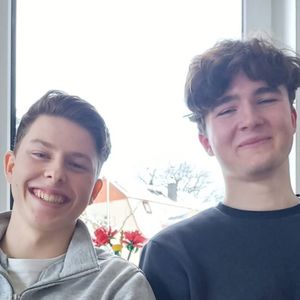
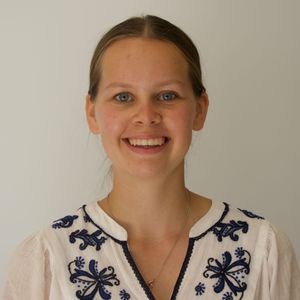
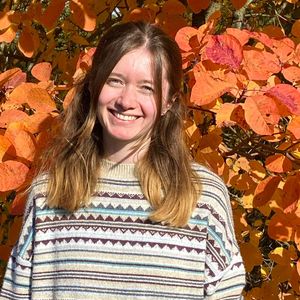
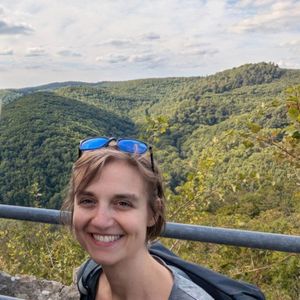
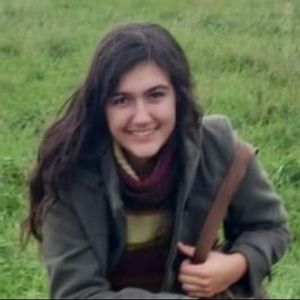
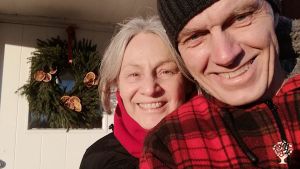
Anna and Gerhard are in their early 60s and have 3 adult daughters, the eldest of which (Julia) is an artist who lives on the homestead where she has her ceramics studio. Anna is a life-coach and personal development trainer, working most of her time on the computer with customers all over Europe. She grew up in the northern part of Italy (Alto Adige) before moving to Vienna, Austria, where she and Gerhard met and raised their daughters.
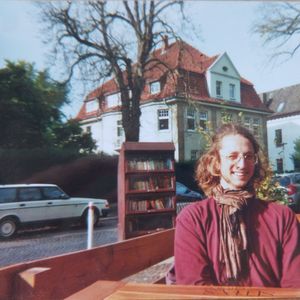
Gerhard is a former head of a university department for sustainable architecture in Austria, working many years on ecological buildings and construction and during the last decade he developed and sold a software for building documentation. We are a multi-cultural family, love to meet people from all over the world and are passionate about the environment, climate change action and self-sufficiency.
Daily schedule & days off
From Monday to Friday, our usual WWOOFing day looks like this:
09:00–13:00 – Morning activities, with a Fika break in between
13:00–14:30 – Lunch and free time
14:30–16:30 – Afternoon activities
Saturdays and Sundays are days off and WWOOFers are free to use the weekend as they wish.
The activities and contributions vary throughout the year and depend on the season and the programme described in our profile. We work together and adapt tasks to the weather, current priorities on the farm, and the interests and abilities of our WWOOFers.
We never expect WWOOFers to carry out work that is dangerous or for which they do not have the necessary basic skills or experience. When something is new, we explain and demonstrate it first and make sure everyone feels comfortable with the task.
Future projects:
We have a mix of small and large projects in the planning. The big projects will be executed in phases, e.g. the construction of a straw-bale barn starting with the foundations, cutting down the timbers for the barn from the woods, milling them, building the timber frame, constructing the straw-bale walls, building and planting the green roof. Smaller projects include, for example, furniture making and joinery work, building a chicken coop, painting timber cladding and chopping wood. We are also just at the beginning of developing a Japanese garden on part of the property with a little lake and brook.
Organic methods: Mulching, Permacultur, biological pest control, composting
Certifications: we are not certified
Current projects – from mid-August 2026
Because we devoted much of this year’s growing season to producing flowers for a family wedding, we planted fewer vegetables than usual. However, we have a large amount of rocket growing, which we plan to harvest and turn into homemade pesto.
One of our main autumn projects will be to renew and expand our composting system. We want to build a larger, well-organised composting area that will produce plenty of what gardeners often call “black gold” for our vegetable beds and future planting projects.
We also have a few smaller outdoor and woodworking projects planned. These include building a weatherproof shelter for our postbox and, if the weather and available time allow, constructing a traditional Moravian-style woodworking bench from cherry wood.
There is also plenty of work to do in the forest. A severe storm in April brought down a number of trees on our land, and these now need to be cleared, cut, split and prepared as firewood.
Another important project is the installation of an irrigation system for our terraced growing beds and vegetable garden. This will involve planning the system, laying pipes and hoses, and improving the distribution of water across the growing areas.
As always, the exact work will depend on the weather, the season and the progress of the individual projects. If any of these activities interest you, you are very welcome to join us and take part.
Internet access available
Read more
Learning opportunities
Vegetable farming
Forestry
Wild foraging
Vegetable or fruit preservation
Bakery
Traditional crafts
Green Building
Food justice / sovereignty
Mechanics / tools / technology
Methods or systems
Biological pest control
Permaculture
Regenerative agriculture
Host type
Self-sufficiency property
12.7
Hectares
|
31.4
Acres